
Start your next travel nursing
assignment in Montana
Travel Nurse 911 helps you navigate hospital systems across Montana with clarity and confidence so you can focus on patient care while we support your agency contract with organized onboarding tools and dependable compliance workflow.
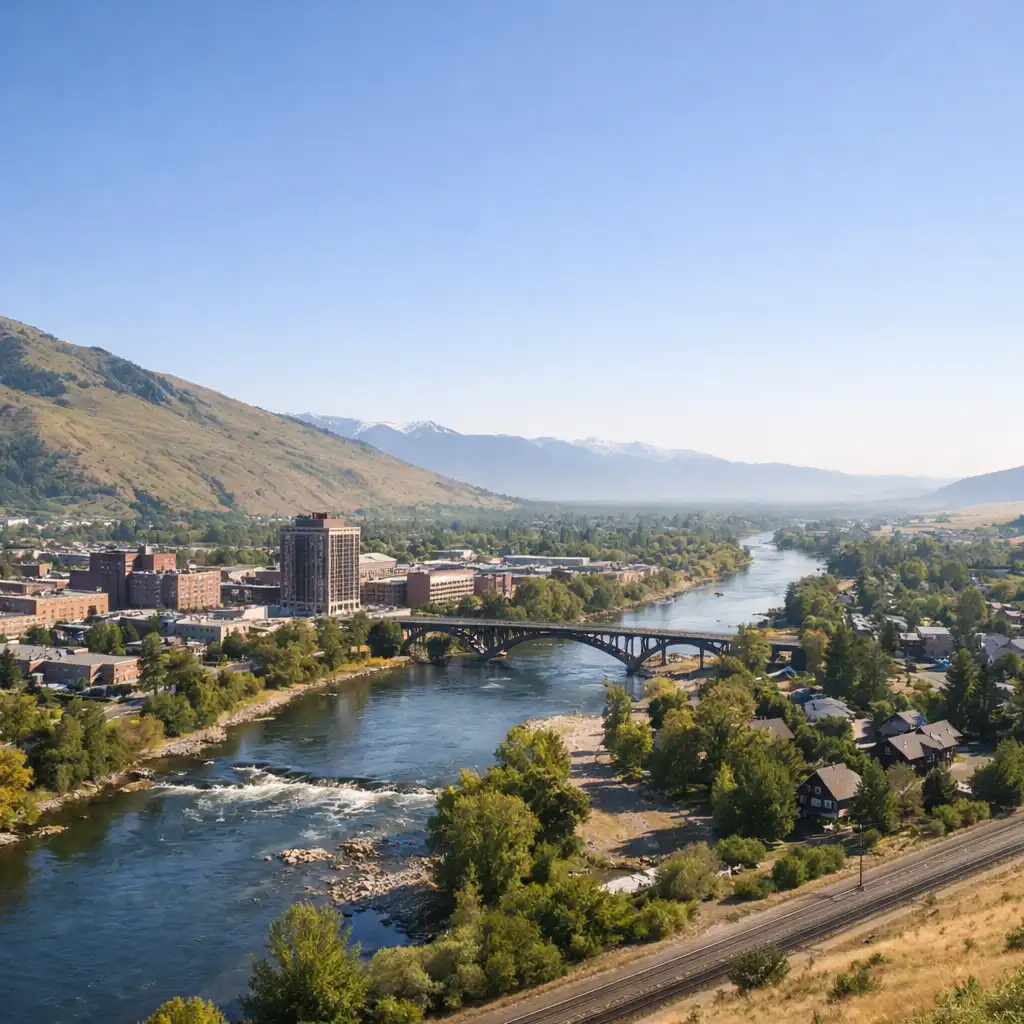
Montana at a glance for travel nurses
A quick snapshot so you can decide if Montana fits your next assignment cycle.
Why Montana is a strong choice for travel nurses
Montana is a great fit if you want quieter markets, a strong outdoor lifestyle, and contracts that can feel more personal because teams are smaller. Billings anchors the largest healthcare footprint, with Missoula and Great Falls adding steady needs. The key is planning because distances are real, housing can be limited, and weather can shape your commute.
- Outdoor access is world class if you like hiking, skiing, and wide open weekends
- Regional hospitals often need strong generalists who can adapt quickly
- Compact participation can reduce licensing friction for many travelers
- Smaller hubs can offer calmer pacing compared with major metro corridors
What to expect from Montana assignments
Pay varies by region, specialty, and shift mix. This range reflects what we see most often for experienced travel nurses across the state.
- Many weekly packages land around $1,900 to $3,650 depending on unit and location
- Nights, call, and weekends can lift totals in smaller market staffing gaps
- Housing can be limited in some towns, start early and confirm distance to facility
- Thirteen week contracts are common and extensions happen when fit is strong
Montana nursing license and requirements
Montana participates in the Nurse Licensure Compact. If you hold a multistate compact license from your primary state of residence, you can typically practice in Montana without applying for a separate license. If you do not have a compact license, you will need to apply for Montana licensure before your start date.
Keep your documents organized, confirm board requirements, and align compliance steps with your recruiter so onboarding stays predictable. Rural facilities can have specific onboarding timing, so confirm details early.
Licensing requirements can change. Confirm with the board and your recruiter before finalizing plans.
Before you accept a Montana offer
- Confirm compact eligibility or Montana license status before accepting
- Verify certifications, recent experience, and any unit specific screening steps
- Plan housing early and confirm drive time, winter routes, and parking
- Start compliance early: background check, drug screen, immunizations, and onboarding documents
Top specialties and locations in Montana
These specialties most frequently see steady contract flow statewide.
ED coverage for regional access points
ED roles can be broad because facilities serve wide catchment areas. Strong triage and calm prioritization matter.
ICU and stepdown flexibility
ICU needs vary by hub. Comfort with mixed acuity and teamwork across units can be valuable in smaller markets.
L and D and maternal newborn support
Maternal roles can be steady across regional centers. Strong communication and calm pacing help when coverage is lean.
Perks of working in Montana
- Outdoor lifestyle is the headline: mountains, rivers, and big sky
- Smaller teams can feel supportive when you communicate clearly and show up steady
- Great local spots in hubs like Missoula and Bozeman
- Strong take home potential when housing is secured early and commute is optimized
Pitfalls to watch for
- Winter weather can be serious, plan routes and vehicle readiness
- Housing availability can be tight in some towns, especially seasonal destinations
- Distances between hubs can be large, protect your rest time with smart location choices
- Some roles require flexibility across units, confirm float expectations early